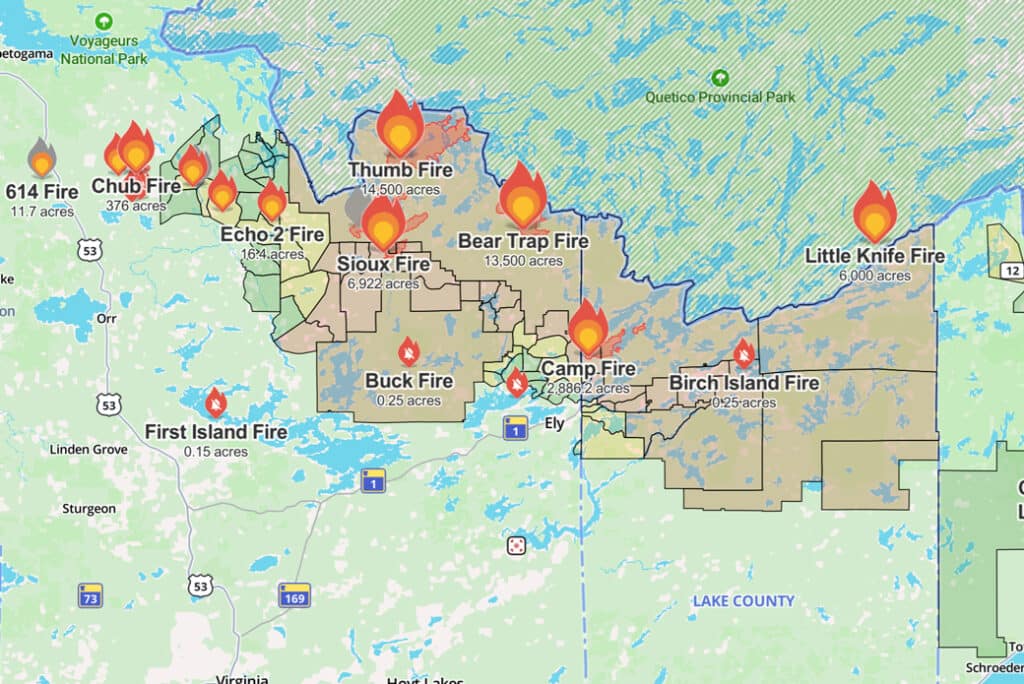
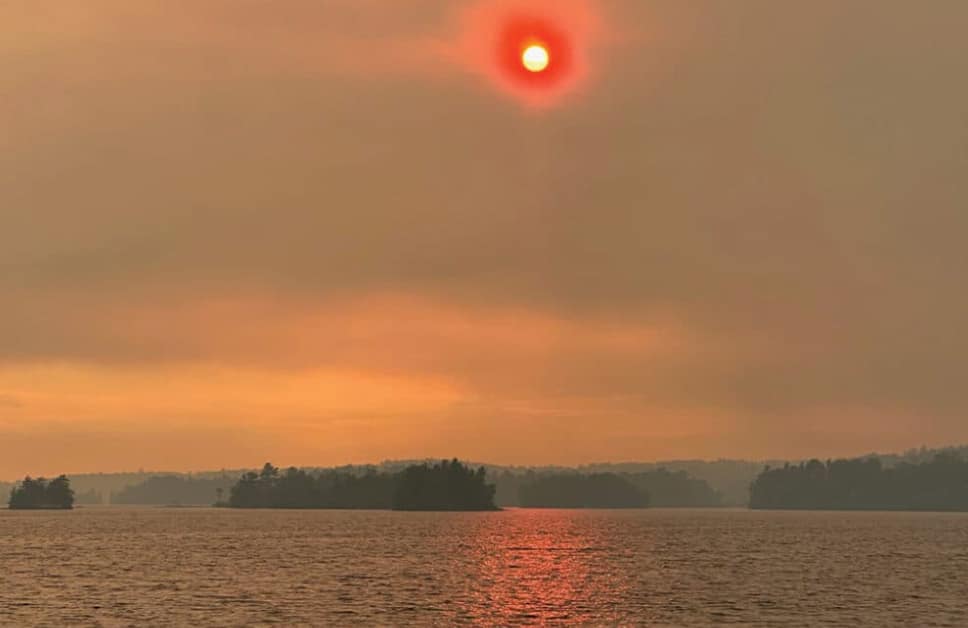
🔥 Current Fire Conditions Track active fires, smoke impacts, wildfires near the Boundary Waters and North Shore updates during the 2026 fire season. Latest Updates >
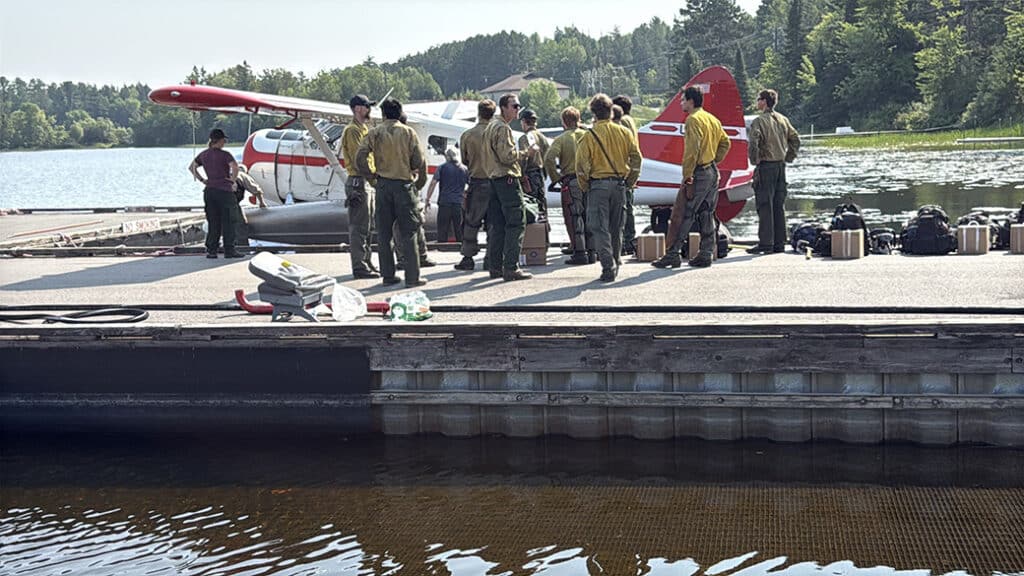
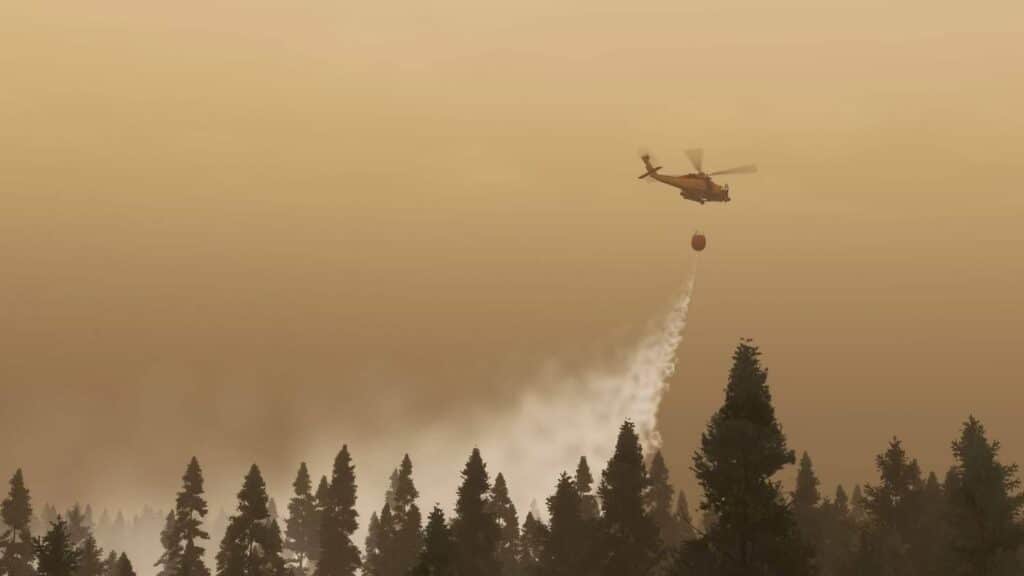
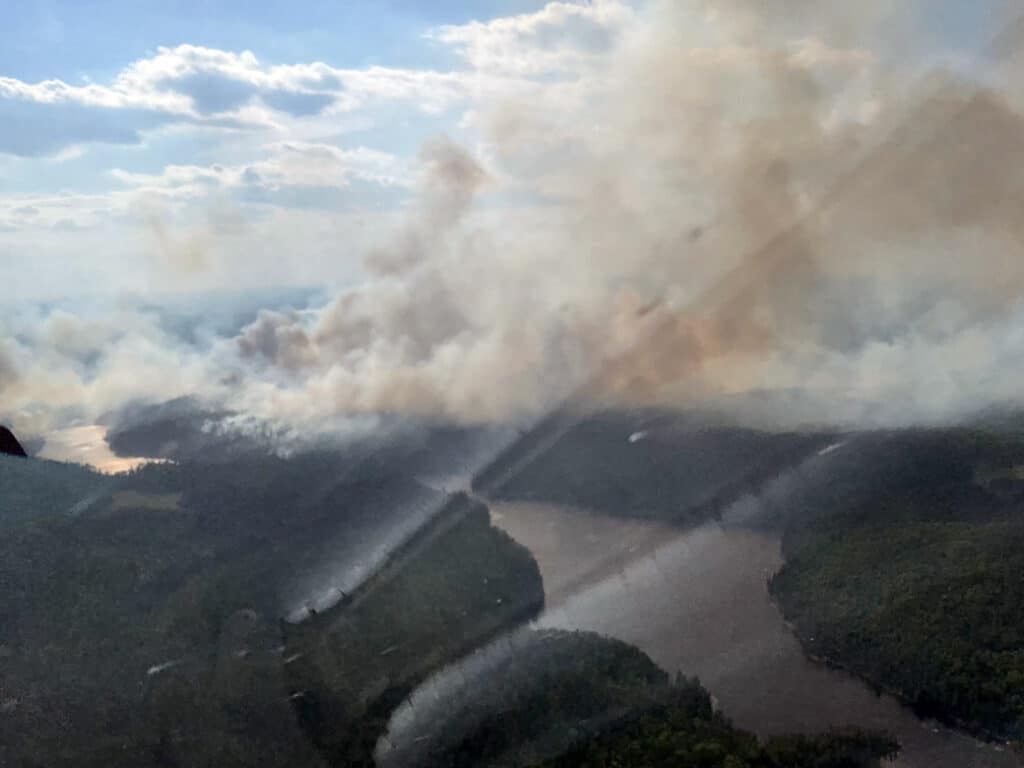
Wildfire season in the Boundary Waters is easing, partly because of rain and cooler temperatures, with many fires becoming more contained. Throughout the season, numerous agencies and wildland firefighting crews from across the United States have helped manage the incident, which has affected communities and dominated much of the summer news. One of the tools they use, the Beaver plane, has been instrumental in getting crews into remote, rugged areas.
Weekly updates on wildfires in the Boundary Waters: containment is climbing across the major fires as evacuation zones shrink near the areas closest to the flames. The Forest Service is reopening additional BWCAW entry points for day and overnight use.
The Forest Service says it has now opened over 73% of the one-million-acre BWCAW. Phase 7, effective August 13, will bring the total to more than 1,600 of campsites reopened.
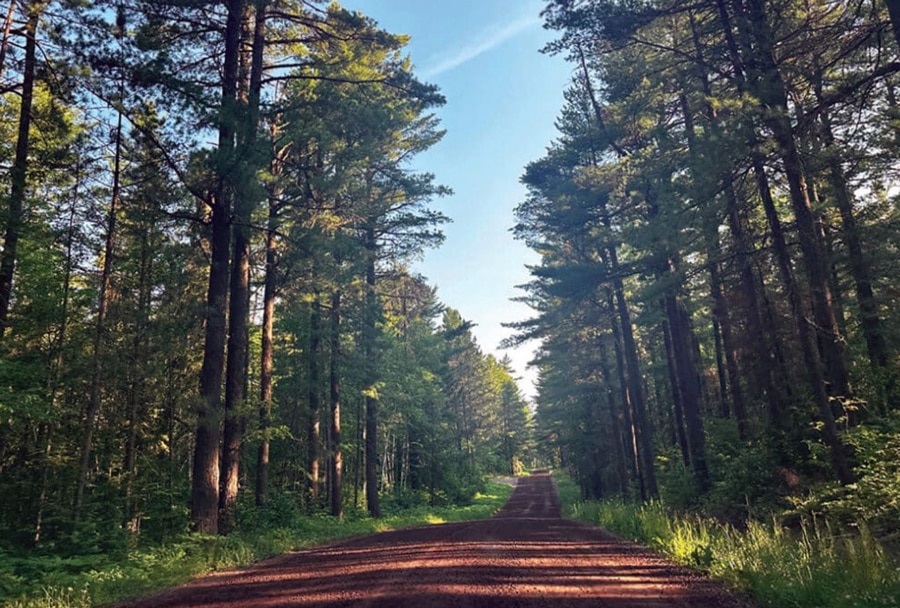
About 10 miles inland from Lake Superior, not far from the scenic North Shore, is the Finland State Forest. The 300,000-acre forest offers camping and hiking opportunities, as well as hunting, fishing, and other forest-industry-related activities. Part of the Western Great Lakes forests, this region is a transition zone between the boreal forest further north and the deciduous forests to the south.
Burning restrictions have been removed across the entire three-million-acre Superior National Forest, including the BWCAW, effective August 24, the forest announced this week…
On the same day Gov. Walz signed an executive order intended to block copper-nickel mining near the Boundary Waters, the U.S. Department of Agriculture announced it would move to rescind the federal rule that has kept new roads and timber harvest out of the Superior National Forest’s remaining roadless country since 2001.
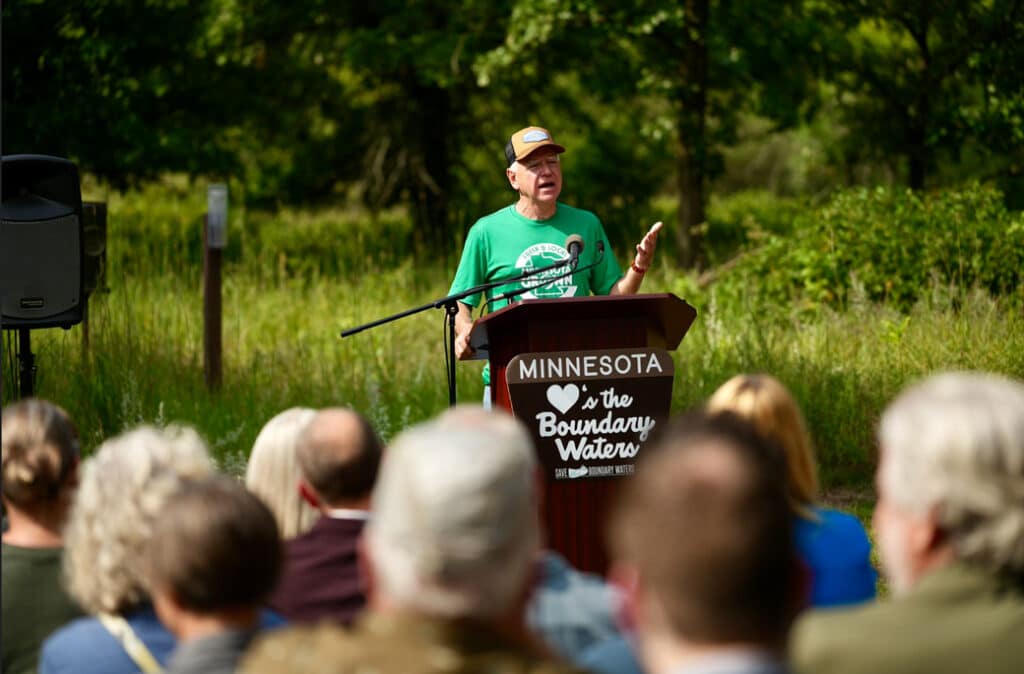
Gov. Tim Walz’s Aug. 18 executive order directs Minnesota DNR and Minnesota Pollution Control Agency to stop permitting and environmental review work on nonferrous mining in the Rainy River Headwaters Watershed. In Ely that day, Walz also proclaimed Aug. 18 “Save the Boundary Waters Day.”
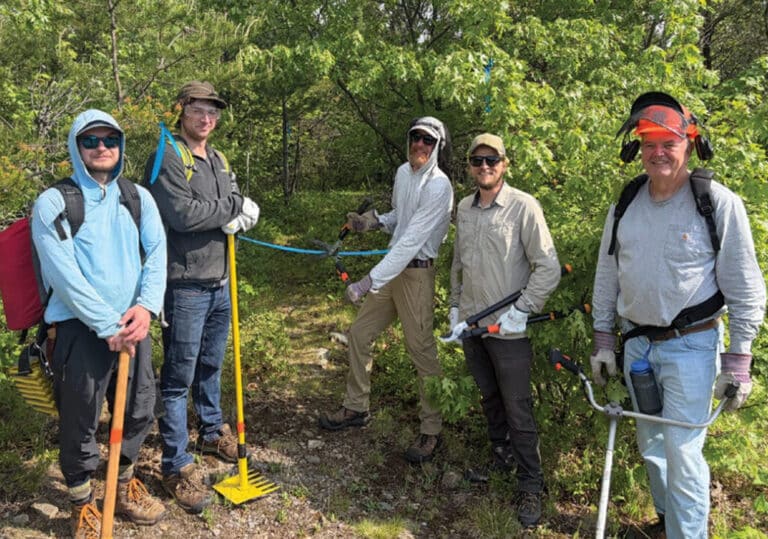
A new section of the Kekekabic Hiking Trail is being built east of Ely. by volunteer crews. Eventually, the trail will reach Kawishiwi Falls, eliminating a road walk along Fernberg Road.
The Forest Service lifted closure of Trails End Campground on July 29. Recent rain has moderated fire activity, officials said, the Little Knife Fire area is reopening….
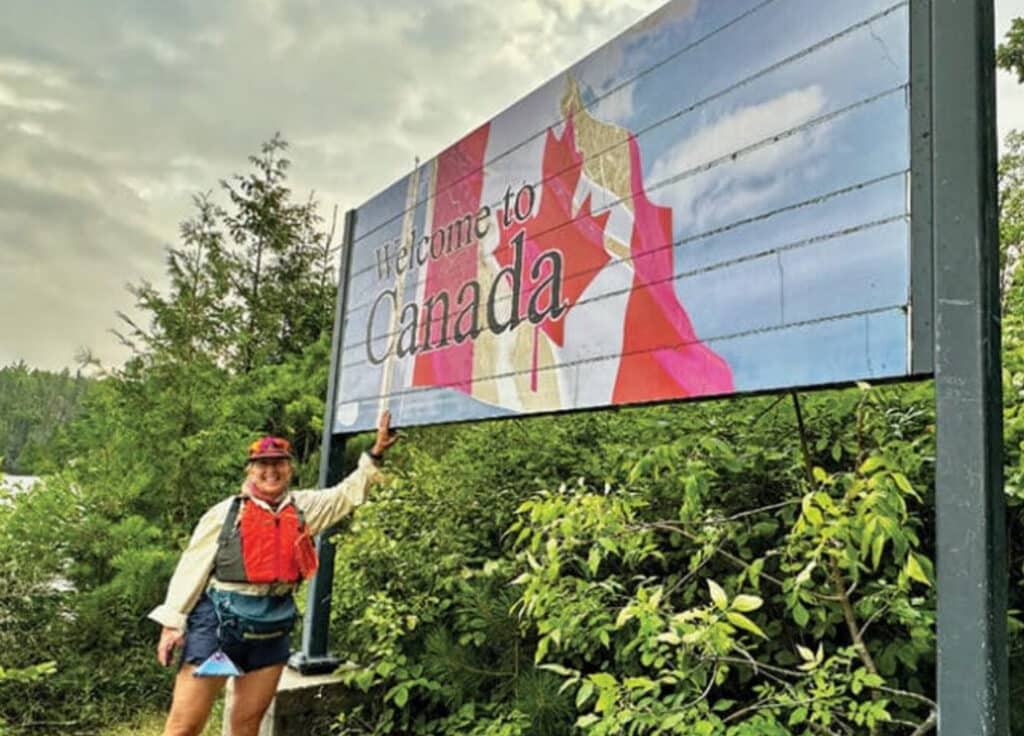
Starting June 8, the Cache Bay and Prairie Portage ranger stations are expected to implement a new telephone reporting system for paddlers entering Quetico Provincial Park in Canada. Visitors will be able to use the stations’ Wi-Fi to report their entry.
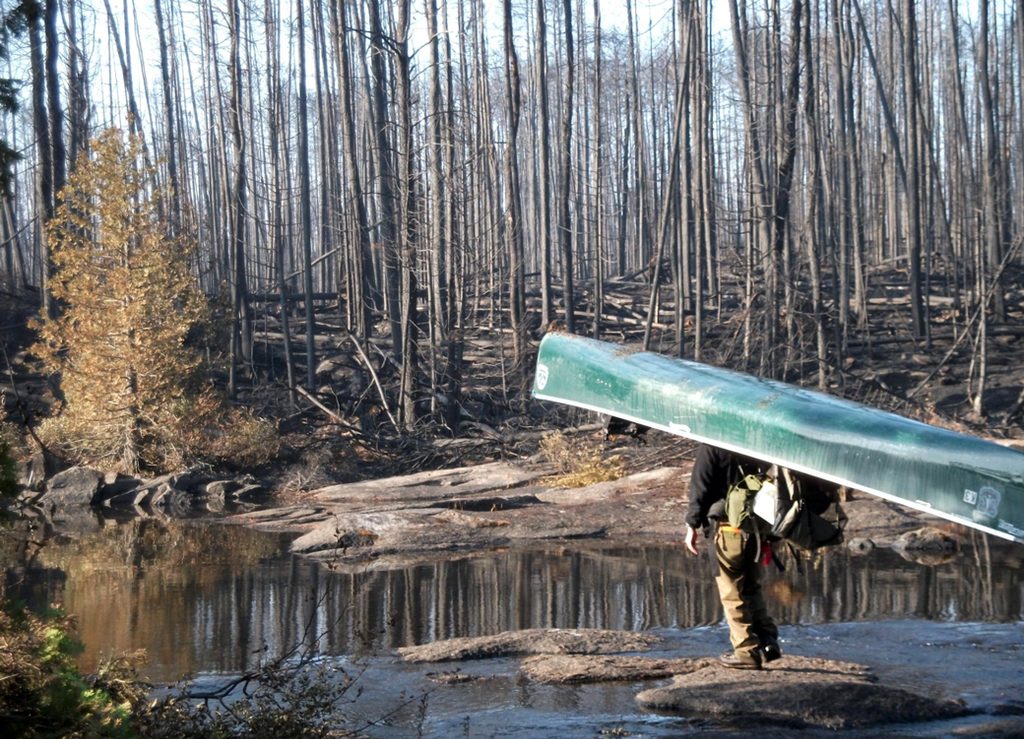
Fifteen years ago, the Pagami Creek Fire burned more than 90,000 acres of the Boundary Waters — the largest wildfire Minnesota had seen in nearly a century. Wilderness guide Pam Wright paddled back into the heart of it this summer, days after the area reopened, and found a landscape regenerating…
With rising temperatures and predictions of increasingly hot, dry summers, what does the future hold for the forest? We spoke with Minnesota ecologist and author Professor Lee E. Frelich about how climate change and future wildfires could reshape the forest.
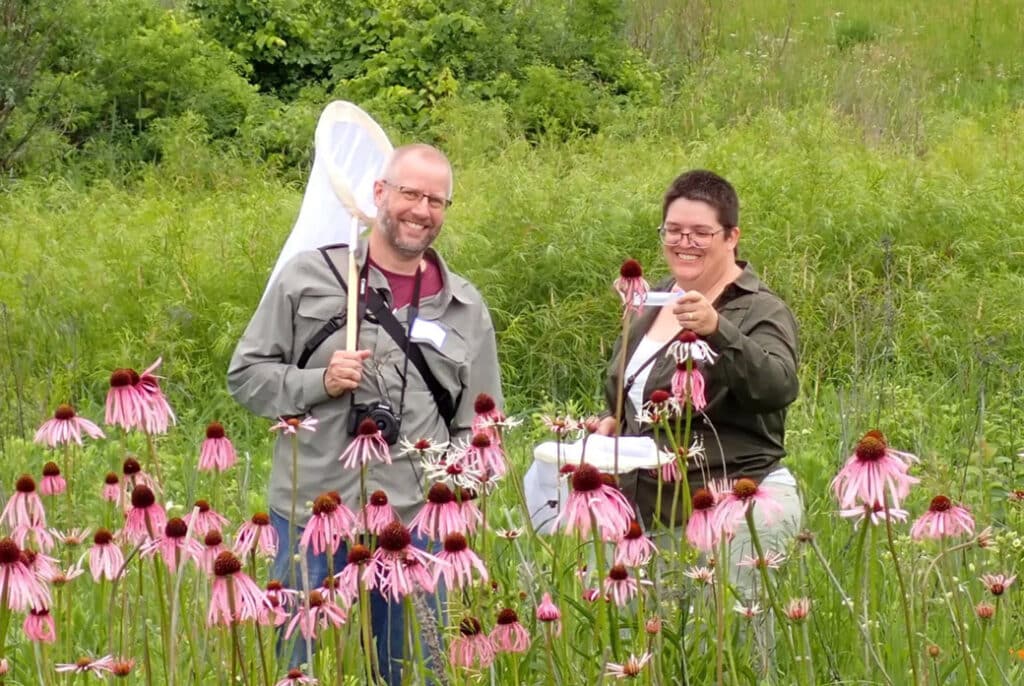
Between August 1-9, everyone who visits the park is encouraged to document as many species as possible using the app iNaturalist. The goal of the project is to provide opportunities for the public to contribute to the scientific knowledge of the area, helping to inform park management and conservation efforts.
While many permits have been canceled due to ongoing wildfires in the BWCAW, there are still plenty of opportunities to explore areas outside the wilderness and nearby communities. Plan your northern MN adventure with our favorite alternatives to the Boundary Waters.
BWCAW permits are cancelled through July 24, and the closure order now formally runs through October 1, or until rescinded. The Forest Service said this week that it is assessing opportunities to reduce the closure in areas where conditions allow.
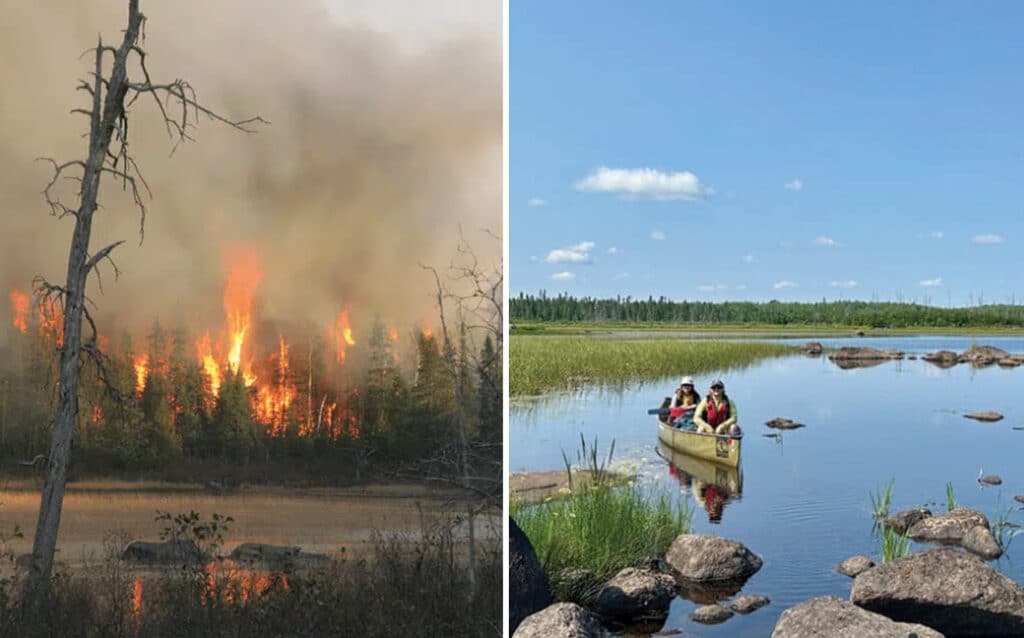
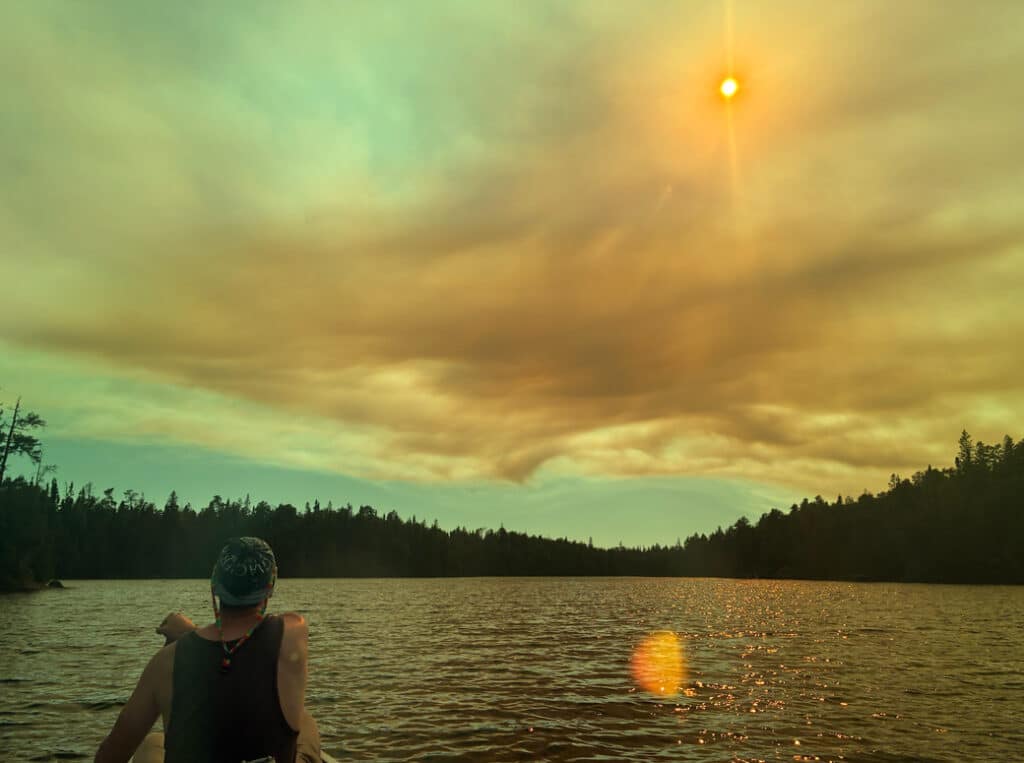
Their Boundary Waters trip started with mosquitoes, unusually warm weather, and rugged portages. “Little did we know, those trials by fire were going to be just stick kindling compared to the real fires ahead…”
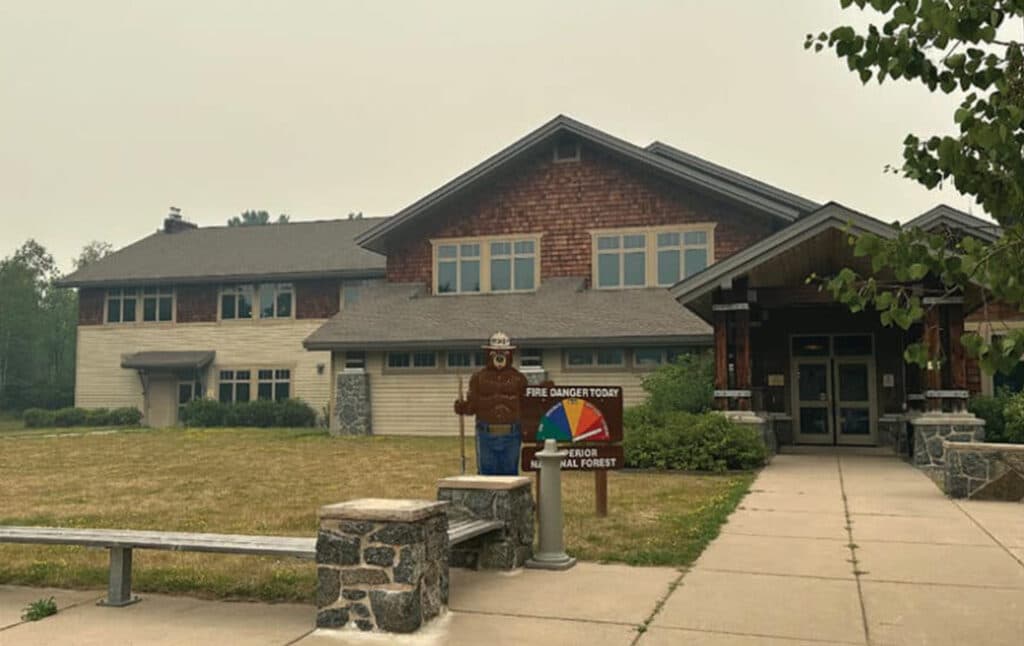
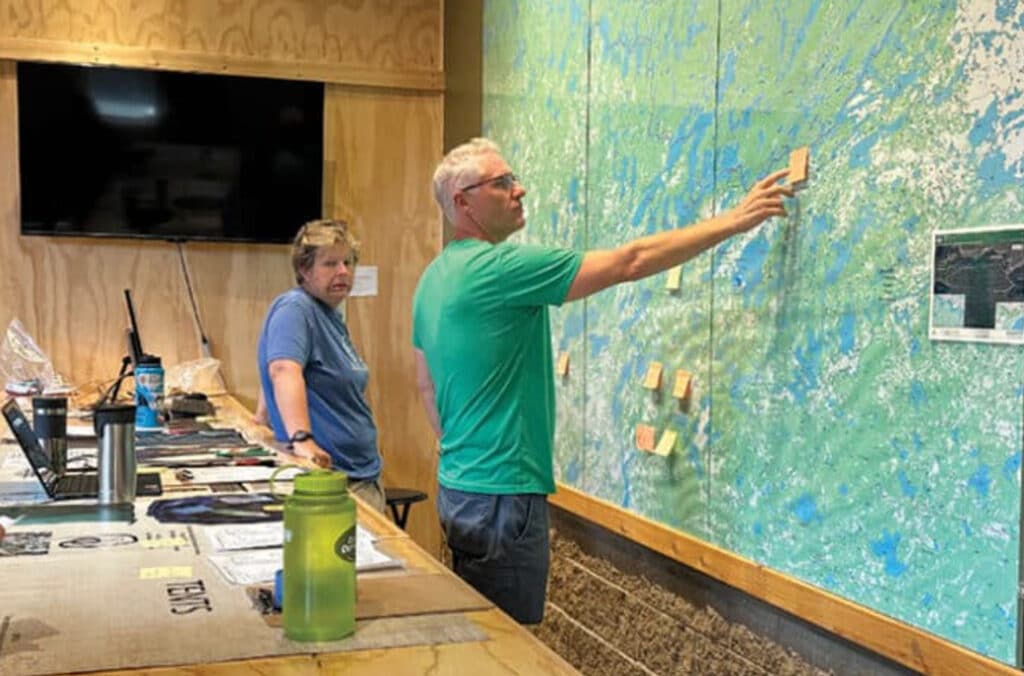
Officials representing multiple agencies, including the USFS-Superior National Forest, held a press conference Wednesday at the Kawishiwi Ranger Station in Ely. They provided updates and plans for the wildfires burning in the BWCAW and northeastern Minnesota.
With the entire Boundary Waters closed and no reopening date announced, outfitters on both sides of the wilderness are scrambling — canceling and rerouting trips, fielding calls from visitors who flew in from across the country, and hoping the next few days bring better news.
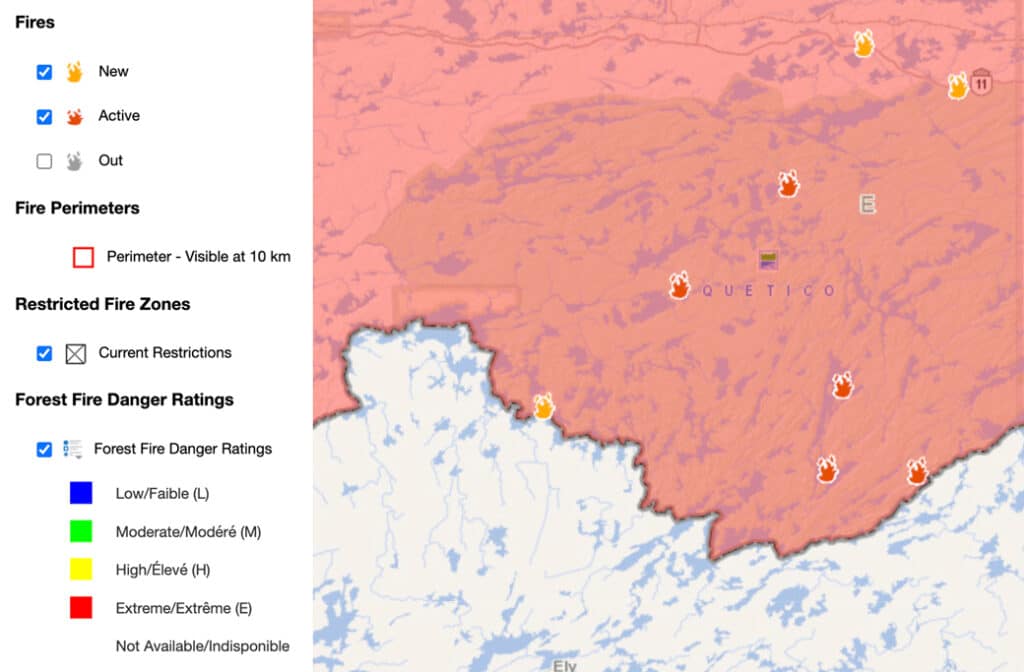
Quetico Provincial Park has closed Dawson Trail Campground due to nearby forest fire activity, according to the park’s alerts page. All backcountry entry stations are also closed.